 NYS Housing and Anti-Discrimination Notice


Lindenhurst, New York · Seller's guide
Selling Your Home in Lindenhurst, NY
Thinking of selling your Lindenhurst home? You're probably asking what it's worth, what's worth fixing, what the whole thing costs you, and who you can actually trust with it.
I'm John Tiburzi. I grew up here, and I sell homes in Lindenhurst and across Long Island as the leader of Team Tiburzi Real Estate at Signature Premier Properties. Eight of those homes were right here in town, and all eight closed at or above the asking price. Here's how I'd go through it with you if we were sitting in your living room.
Your agent
Why Lindenhurst sellers call me.
John Tiburzi, Licensed Real Estate Salesperson
License 10401311829 in New York, selling Lindenhurst homes as the leader of Team Tiburzi Real Estate.
Signature Premier Properties, Licensed Real Estate Broker
95 W Main St, Sayville, NY 11782. Office: (631) 567-0100. Mobile: (516) 578-5303.
95 Long Island homes sold for their owners
In 44 towns, and 86 of the 95 closed at or above asking.
Eight of those in Lindenhurst
All eight at or above asking. Built from 1946 to 1972, closing from $435,000 to $635,000.
I grew up in Lindenhurst
It's the reason I still work here. I've been on Long Island my whole life.
I walk your Lindenhurst house myself
The walkthrough, the photography, the pricing, the negotiating and the calls nobody enjoys making are mine, right through the closing table.
By the numbers
What is happening in Lindenhurst right now.
Data courtesy of OneKey MLS as distributed by MLS GRID as of October 2026. One month can swing with whatever happened to close. Read the latest report.
How I read these numbers
A year ago, the median October sale here spent 46 days on the market, and only about half went for asking or better. This October it took 20 days, and nearly four in five did. Thirty-eight homes closed, more than in any other month of the past twelve. Whatever fall usually does to this town, it didn't do it this time.
The premium has been shrinking, though. In May, buyers paid almost 107 percent of asking. It was around 104 percent through the summer, just under 103 in September and 101.7 in October. Buyers are still paying over the number, just by less each month. The median followed the same arc, from $682,500 in July to $652,500 now.
So I wouldn't read October as a reason to reach. The town is moving quickly, but the extra money buyers will put on top of a fair price has been getting smaller since spring. A median also tells you about the town and nothing about your block, your taxes or your roof. Those are what we'd go through together.
Value
What is your home really worth?
The first thing anyone asks me about selling a home in Lindenhurst is what it will bring. An online estimate will give you a figure before your coffee cools, and that's fine as a rough start. But no algorithm has been down your basement stairs. It can't tell that the kitchen was done in 2019, or that the back bedroom gets no sun.
I don't give prices over the phone. A number I hand you before I've seen the place is a guess, and a guess can cost you money in either direction. So we start with a walkthrough, and when it's done you'll hear what I actually think, even when it's less than you were hoping. That conversation is uncomfortable once. Sitting on the market for ninety days is uncomfortable every single week.
After that, we go through what has actually sold, one house at a time, and why. One of my sellers described that meeting better than I can: "First, he came over with printed versions of all comparable homes that sold and were for sale in our area." Then I want to hear from you. He put it this way: "He then asked us what WE thought we could sell our home for." I do want to know. You've watched this block for years.
Here's what's particular about Lindenhurst. What I've sold here was built between 1946 and 1972, older and smaller than what I sell further north, and one was just over a thousand square feet. Read the tax bill before you compare two prices. Two of my closings here were $60,000 apart on price and about $4,600 apart on annual taxes, and a buyer feels that second number every month for as long as they own the place.
What separates one house from another
Beds and baths get you in the door. Here's what actually separates one Lindenhurst house from another:
- When it sold. What Lindenhurst buyers will pay moves through the year, and the panel above shows where it is right now. A spring sale is a spring sale.
- The big systems. Roof, heat, electric and whatever handles the waste. Two matching houses can be tens of thousands of dollars apart on those alone.
- How old the updates are. A fifteen-year-old renovation isn't a renovation anymore to a buyer. It's just the kitchen.
- The layout and any additions. Finished space that was done well counts. Space that feels stuck on counts for a lot less.
- The lot and the road. A usable yard and a quiet street are worth paying for, and a buyer can't add either one later.
- The tax bill. Lenders count taxes in the monthly payment, so a few thousand a year changes what a buyer can borrow.
- The competition this week. Sold homes show us what happened. The listings up right now are what your buyer sees next Saturday.
You'll see every comparison I used. The number shouldn't feel like something I pulled out of a hat.
What about listing high and coming down?
People want room to negotiate, and I get it. But buyers search in brackets. List a house that belongs at $600,000 for $650,000, and the people who can pay $600,000 never see it, while the people shopping at $650,000 see it next to nicer houses. That isn't negotiating room. It's a house they skip. A month later you cut the price, and now they want to know what's wrong with it.
Your opening two weeks are when all the active buyers look at once, and there's no running them again. A high opening price burns them.
What about listing low to get a crowd?
A price a little under what you hope for can bring more people through, and competing buyers do bid. It's a tool for a house in demand during a month when buyers are out. On the wrong house in the wrong month, the number you list at can become the number you get. I'd look at what's selling right then before I'd suggest it.
The appraiser gets a vote
If your buyer is financing, the lender sends an appraiser who has to back up the price with nearby sales. In a town where homes have been going over asking, that appraisal is the thing that can bring a big offer back to earth. An offer is only as strong as the appraisal behind it, so start at a number you can defend. Want a ballpark before we meet? Get an online estimate and bring it along.
Prep work
How I'd get your home ready.
Don't spend anything until I've walked through it with you. After enough years in a house, you stop noticing things. The coats piled by the door, the crack above the window, the smell of the basement. You've made your peace with all of it. A stranger on a Sunday afternoon hasn't.
Buyers come down hard on anything that reads as expensive and structural. They barely flinch at dated finishes. They expect a house this age to look its age. What they don't forgive is a house that looks ignored.
Get rid of a third of it
This costs nothing and does more than almost any contractor will. Go room by room and take out about a third of what you see. The extra chair, the side table nobody uses, the rack by the door. If you can see the corners of a room, it reads bigger. Do the closets too, because buyers open them, and a stuffed one says there's no storage here. Attic, garage and shed as well. Rent a dumpster if that's what it takes. You have to pack anyway.
Clean past the point of reason
The grout, the baseboards, inside the oven, above the kitchen cabinets, both sides of every window. Pay somebody once if you can. Pets, smoke and basement damp stay in a buyer's memory longer than the granite does, and you can't smell your own house anymore. I can, and I'll tell you.
Make it bright
Shades up, heavy curtains down, matching bulbs throughout. Pale, neutral paint in the darkest rooms is about as much return as you'll ever get for a couple of hundred dollars.
Erase the old problems you already solved
The leak got fixed years back, but the stain on the ceiling never went away. To you that's ancient history. To a buyer, it's a leak. If the problem is gone, paint it out so it looks gone. Same with the peeling sill in the bathroom and that spongy patch of floor near the slider.
Where the money goes, in order
- Anything active or unsafe. A roof leak, a wet corner, a loose railing, a bad outlet. These come ahead of anything cosmetic.
- Anything that looks or smells uncared for. Worn carpet, a damp basement, shrubs that have been covering the windows since 1995.
- The small stuff. The door that sticks, the faucet that drips, the cracked switch plate. One is nothing. Twenty tells a buyer what kind of owner you were.
- Paint and floors. If there's hardwood under the carpet, pull up a corner in a closet and take a look.
- Kitchens and bathrooms, rarely, and only at the end. A buyer won't pay you back for a kitchen you put in just to sell, and plenty of them want to pick their own.
What buyers add up in their heads
Roof, boiler or furnace, electric panel, oil tank, cesspool, windows. Everybody knows those run into real money. If you've replaced any, find the receipts, because that belongs in the first lines of the listing. If you haven't, that's not automatically a problem. Sometimes it's smarter to get a written quote and price around it. A written estimate tells a buyer the worst case has a ceiling. Without one, they imagine something far worse than the truth.
What a buyer is really asking
Walking through your house, a buyer is working on three questions. Would I be happy here? What's it going to cost to keep up? What am I not seeing? Everything on this list is an answer to one of those. Once they quit worrying, they start mentally moving their couch in, and that's when an offer starts to form.
If water is part of the conversation
South of Montauk Highway, buyers are going to ask, so get ahead of it. Look up your address on FEMA's current map, find your actual insurance bill, and gather anything from the job if the house has been raised. If it took water in Sandy, say so and show what was done afterward. New York's disclosure form now asks about flooding, and your answers have to come from what you know. My Lindenhurst flood guide has the rest.
Loose ends
Decks, dormers, finished basements, converted garages: if something went up over the years, let's confirm it was properly closed out before a buyer's attorney asks. Pull the survey and any tank paperwork into one folder while you're at it. That's a far cheaper conversation before anyone has made an offer.
If you'd rather leave it exactly as it is
Then we will. You may not have the money or the energy for any of this, and that's fine. A house can sell in whatever shape it's in, as long as the price admits it. Some buyers want a project and don't want to pay you for one you did. What I won't do is pretend the house is something it isn't and burn your first two weeks.
First impressions
Getting it in front of the right buyers.
A buyer meets your house on a phone, with a thumb ready to keep moving. So the photography waits until the house is done, and I want every room shot when it's at its brightest. These are real photographs of your real house, on a very good day. One seller of mine noticed: "actually used REAL PHOTOS! No ai! Imagine that!"
The night before the pictures
- Nothing on the kitchen counters except maybe one bowl of something.
- Fridge doors cleared of magnets, calendars and takeout menus.
- Towels folded, shower curtain straight, toilet lids down, the soap and razors out of sight.
- Beds made tight and nightstands bare.
- Blinds up, lamps on, ceiling fans off.
- Cars out of the driveway, garbage cans around back, hoses coiled, front walk swept.
One launch, done properly
Nothing goes live until the pictures, the write-up and the paperwork are all finished together. A house that appears half finished, disappears and then reappears makes buyers suspicious. Whatever makes your house the one to choose goes in the first line and the first photo, whether it's the new roof, the usable yard or the walk to the train. And if we have to adjust the price, one early cut says you mean it. Three small ones spread across a season say wait.
When people come through
Please be out during showings. Buyers need to open closets and talk freely, and they won't do either with you standing in the kitchen. We'll agree on hours that work around your job and your pets. I run the open houses, and afterward you'll hear what people said, including the parts you won't enjoy.
If two weeks pass with plenty of traffic and no offers, buyers are objecting to something in the house or to the price against what else they've seen. If hardly anyone comes, it's the price or the pictures. Either way we change one thing, and we do it quickly.
Reading an offer
The highest offer isn't always the one you want.
Price is the first line of an offer and rarely the whole story. A slightly lower offer from a buyer who can really close beats a bigger one that dies in week five, after the movers are booked. I'll put every offer side by side with my honest opinion. The decision stays yours.
What I look at besides the number
- How solid is the money? Cash or a mortgage? And has a lender truly gone through this buyer's file, or did someone just print a letter?
- How far can they stretch? If the appraisal comes in short, a buyer with a bigger down payment has somewhere to go. A buyer with 3 percent down may not.
- What's the catch? If they have to sell their own place first, your closing is in the hands of a stranger's buyer.
- What do they want from the inspection? A look for information, or a long list of credits?
- When do they want to close? A date that fits your move can beat a few thousand dollars on paper.
When several offers land at once
A nice problem, and one to handle with care. We can name a deadline, invite each buyer's strongest terms, then compare them line by line. Sometimes the right call is less money from whoever looks surest to reach the closing.
After the inspector has been through
A report on an older house can run dozens of pages. Take a breath. Inspectors are paid to write everything down, and most of it is routine. What deserves a serious talk is the short list: water, roof, heat, electric and the sanitary system. A buyer who asks for a credit on one of those has a point we'll need to answer. A buyer who sends twenty-six small things is testing you, and we can treat that differently. My habit is to ask one question: would the next buyer raise this too? If so, we're better off solving it here.
In New York, nothing binds anybody until both sides sign contracts, so the days between the handshake and the signatures are when deals get lost. I keep after the attorneys so that stretch stays short.
What you'll pay to sell
| Commission | Negotiable, and written into the listing agreement up front. |
|---|---|
| Your attorney | You'll want a lawyer who does closings all the time. Find out the fee early. |
| NY State transfer tax | New York takes $2 on every $500 of the price, paid by the seller as a rule. On a $650,000 sale, that's $2,600. |
| Mortgage payoff | Anything left on your loan is cleared from the sale money that day. |
| Date-based splits | Property taxes and a few smaller items get divided up by the calendar on the day you close. |
Ask your attorney for a net number at the start. It's a much better conversation to have now than the week of closing.
The steps
From accepted offer to closing.
Figure on six to ten weeks after contracts, and the buyer's lender controls most of that. Here's the usual order when you're selling a home in Lindenhurst:
- Attorneys get to work. Your lawyer drafts the contract and theirs picks it apart. Choose yours early, because a slow start here costs time you won't get back.
- The buyer's inspection. Ordinarily done before anybody signs, so whatever it turns up can be sorted out now.
- Your disclosure statement. The state has a form about the condition of the property, and it goes to the buyer before contracts. Answer it from what you really know, with your attorney beside you.
- Contracts signed. The deposit goes into escrow with your lawyer, and now it's binding on both sides.
- Appraisal and loan approval. The long middle. This is the part most likely to go quiet, and it's where I keep calling.
- Title search. A title company confirms nothing's attached to the property that shouldn't be, and anything that needs clearing gets cleared.
- Final walk-through, then the closing. One last look for the buyer, signatures all around, your old loan paid off, and the keys go across the table.
All the way through, you've got one point of contact, and it's the person who has seen the file since day one. As one seller wrote: "He communicated constantly with us and handled all the logistics to make this process seamless."
Harder situations
When it isn't simple.
A lot of people don't move because the market's good. Something in their life changed. If you've been thinking "I need to sell my home in Lindenhurst and nothing about this is simple," call anyway. Here's how I'd think about the usual ones.
Someone passed away and the house is yours to deal with
Start with the estate's lawyer and ask who's legally able to sign, since your timeline hangs on that answer. Keep the place insured, keep the heat on and get the mail handled. After that, nothing has to happen fast. You can go through the closets when you're ready, and you don't need every drawer empty before we talk.
The house has gotten to be too much
Pick where you're going first, or at least narrow it down, so nobody's racing a moving truck. Take on one closet at a time, and don't be embarrassed by how much has piled up. It always has. We can set the closing date around your move.
You've got to buy something else at the same time
Few things make people more anxious. Sit down with a lender first and find out whether you need this sale to fund the next purchase. Then we can try to line up two closings, write in extra time, or work out a short rental in between. I'd rather plan that now than scramble in week seven.
You've already moved away
That's workable. Most of this can happen by phone and email. I can keep an eye on the house and manage access, and your attorney can explain how you'd sign from wherever you are.
You're not sure you want to do this
Then don't list it yet. Leaving a house means something, and being unsure doesn't mean anything's wrong. Ask me what it would bring, think it over and come back when you're ready. I'm easy to find.
Sellers talking
What my sellers say.
"We had a discussion instead of being spoken to."
Nick Werker, Google review, September 2026
"We never felt pressured and always felt guided and supported."
Diana Villamil, Google review, September 2026
"He was very thorough and answered all of the many questions I had about the process."
Katie Werker, Google review, September 2026
"He attended every Open House"
Diana Villamil, Google review, September 2026
"He put me at ease (we all know moving is stressful!)"
Katie Werker, Google review, September 2026
"People always say buying and selling a house is a stressful experience. I truly don't know what they're talking about because of Johnny."
Nick Werker, Google review, September 2026
Recent work
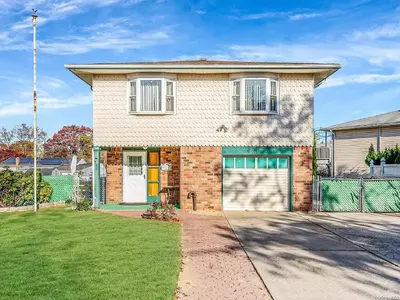
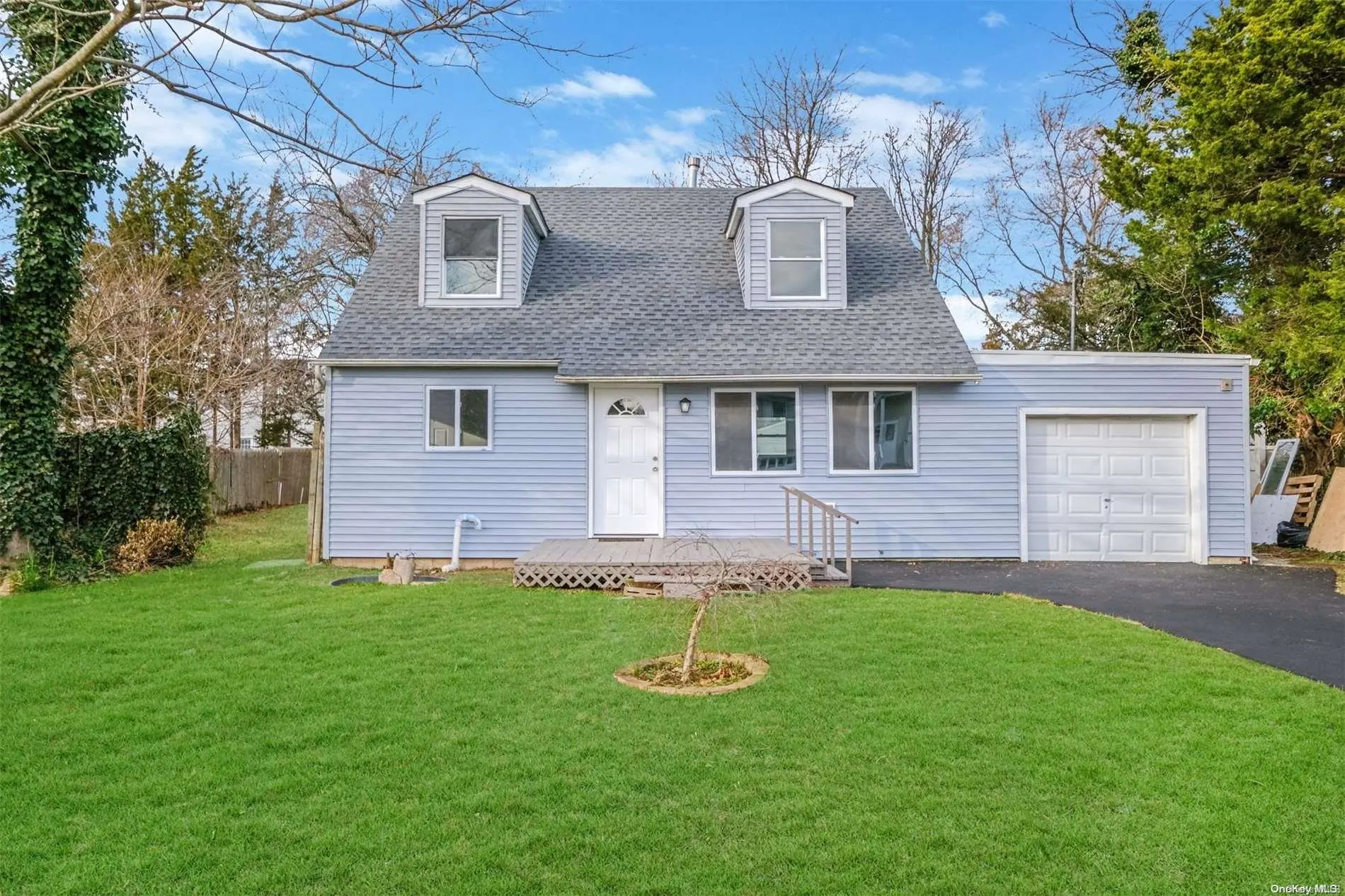
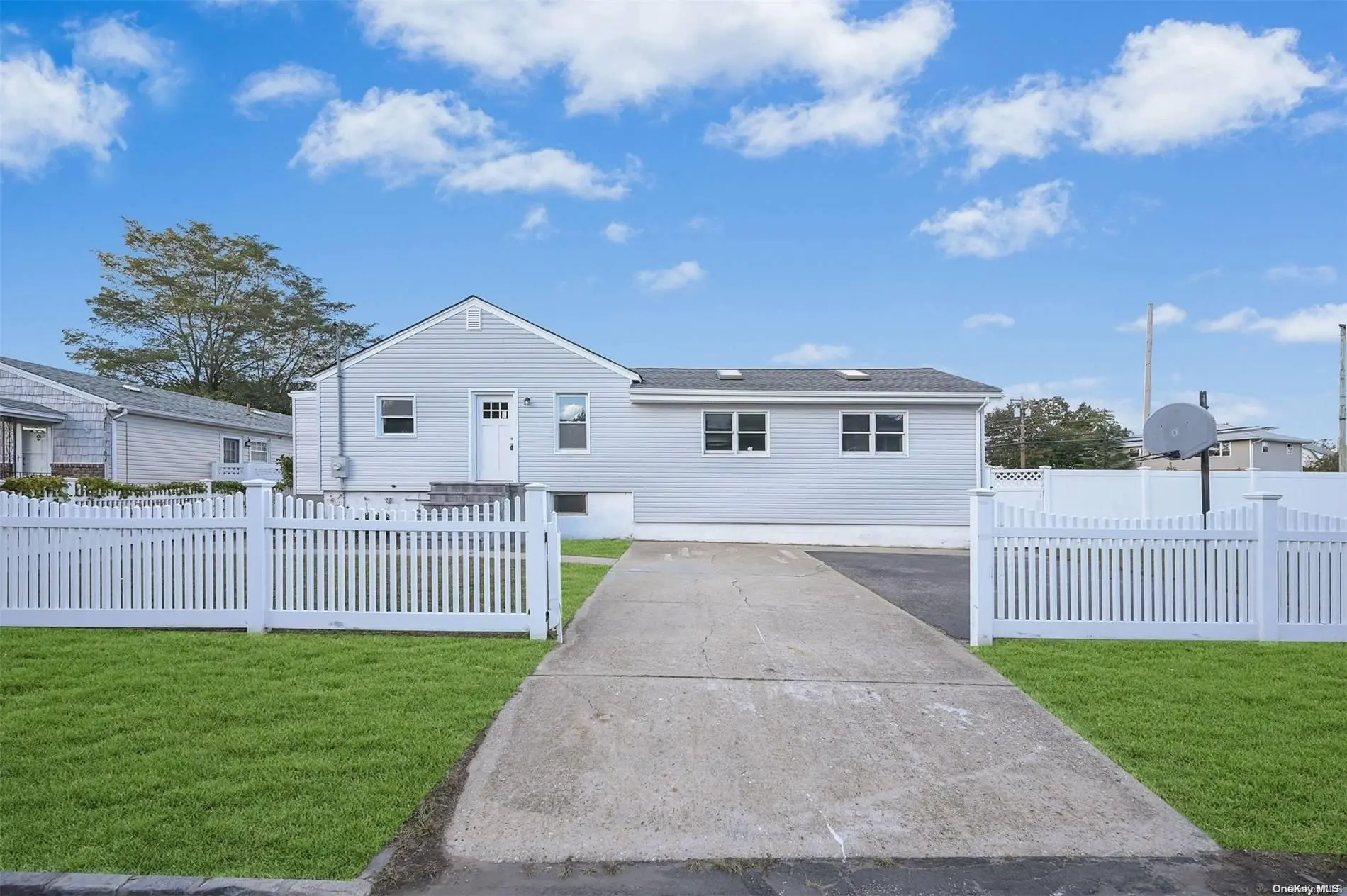
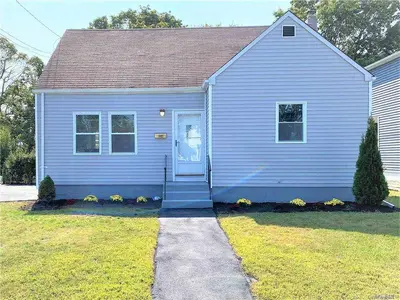
Homes I've sold.
I was the listing agent on each of these, and the full list of my sales is here.
18 Schley Avenue, built 1954
Listed at $549,999. Sold for $560,000 in September 2025. In my words at the time: "The offer we took was all cash at $560,000, just over ten thousand above asking."
406 Putnam Avenue, built 1964
Listed at $619,000. Sold for $635,000 in September 2023, six days to contract.
380 Indiana Avenue, built 1950
Listed at $569,999. Sold for $590,000 in October 2023, nine days to contract.
453 Kansas Street, built 1965
Listed at $449,999. Sold for $520,000 in April 2022.
Questions
What Lindenhurst sellers ask me.
These twelve come up at nearly every kitchen table.
Who should sell my home in Lindenhurst?
I'd like it to be me, once you've met me and seen how I work. I'm John Tiburzi, a Licensed Real Estate Salesperson, and my brokerage is Signature Premier Properties. I grew up in Lindenhurst, and I've sold eight homes here for their owners, all eight at or above asking, and I walk each house myself before any price is discussed. Mobile: (516) 578-5303.
How long does selling a home in Lindenhurst take?
The panel above shows how long homes in Lindenhurst are taking right now. Closing usually comes six to ten weeks after contracts, and the buyer's lender sets most of that pace. A well-priced house moves faster than a hopeful one, whatever the season.
Should I wait for spring?
It depends. Spring tends to bring extra buyers and extra listings. The season alone doesn't mean you've missed anything, and the panel above shows how Lindenhurst homes are selling right now. If yours is ready and there's a reason to go, I wouldn't wait on the calendar alone. If it needs a season of work and you've got no deadline, take the season.
What is my Lindenhurst home worth?
Not honestly, not until I've walked it. An online figure is a rough start, and the median up top only describes the town. Neither has seen your roof or your tax bill. Let me see the place, then we'll sit down with the actual sales, and you'll see exactly how I got there.
What should I fix before listing?
Give me a budget first, including zero. Zero means we empty it, clean it and price it correctly. A few thousand means I choose the fixes buyers actually see. More than that and paint and floors come into it. I just don't want you writing checks out of a sense of obligation.
What happens if I start too high?
You can lower a price whenever you like. What you can't do is buy back those opening weeks. Once the number drops, the people who were watching have gone elsewhere, and the new ones ask what's wrong with it.
Can I sell without fixing anything?
Yes. Be honest about what you know, and let the price reflect the shape it's in. Some buyers are hunting for exactly that.
Should I stay home for showings?
If you can manage it, stay out. People need to open closets and say what they think. We'll set a schedule you can live with.
Should I jump at the first offer?
Don't take it automatically and don't turn it down because it came quickly. Often the earliest buyers have been watching for exactly this kind of house. We'd look at how strong it is against recent sales and against what's likely to come in next.
What do I owe a buyer about known problems?
Whatever you know, truthfully. The state's disclosure form asks specific questions, and your attorney can go over it with you. A known issue is just a negotiation. One that's hidden can follow you after closing.
How is the commission set?
We negotiate it and put it in writing before we launch. We'll go through exactly what you're paying and what you're getting for it.
Does a first conversation cost anything?
No. Even if you're a year away, it only gives you more choices about what to fix. Mobile: (516) 578-5303. Office: (631) 567-0100.
Next step
Let's talk about your Lindenhurst home.
"Who should sell my home in Lindenhurst?" is a fair question, and it's better answered in person. Describe the house and what you want to happen. I'll come see it and give you a straight read on the number, including what I'd fix and what I'd leave alone. Then you decide.
